
High-End Real Estate Photography with Creative Lighting Effects
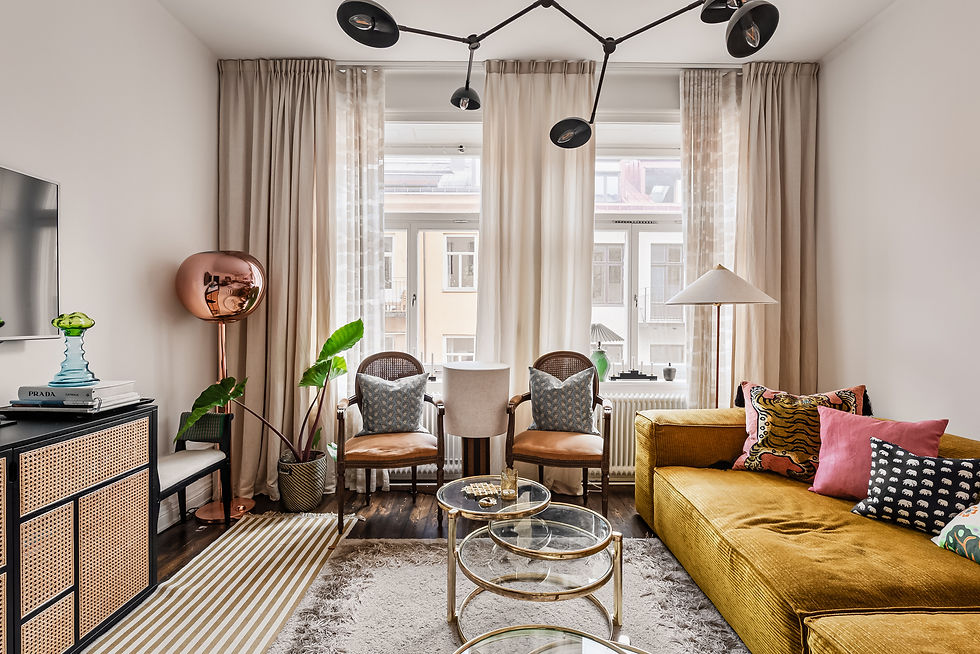
You can photograph a room perfectly using HDR and flambient techniques and achieve a clean, well-exposed image. But there's another approach where lighting does more than simply document the space - it creates an atmosphere.
This is what we call High-End Real Estate Photography with Creative Lighting Effects.
Instead of relying solely on available light, you intentionally shape the scene with off-camera flash to create dramatic shadows, a warm beam of golden sunlight on an overcast day, or walls that appear to glow. The result is an image with far more depth, mood, and visual impact.

What You Gain by Using High-End Real Estate Photography with Creative Lighting Effects
Complete control over the direction, intensity, and color of light - regardless of the weather or time of day.
Images with depth and atmosphere that natural indoor light rarely provides.
The opportunity to take on commercial projects such as hotels, restaurants, architectural interiors, and retail spaces.
A distinctive visual style that separates your work from photographers relying solely on standard HDR workflows.
Three Creative Lighting Techniques That Create Dramatic Results
Fake Sunlight: Place a powerful flash outside a window and aim it into the room. The result is a convincing beam of sunlight - even on a gray November afternoon. This technique is widely used in hotel and restaurant photography but works just as well for real estate interiors.
Rear Wall Bounce: Instead of bouncing your flash off the ceiling, turn it around and bounce it off the wall behind you. The wall becomes one large, soft light source that illuminates the room from the camera position with natural-looking directional light. This creates softer shadows, stronger light direction, and the impression that the room is being lit by a large window behind the photographer.
Colored Background Lighting: Hide a flash behind furniture or décor and aim it toward the back wall. Add a colored gel - deep blue, warm amber, or rich red - to introduce subtle color contrast and visual depth in the background. This technique is common in high-end hospitality photography and is becoming increasingly popular in luxury residential interiors, particularly dark, design-focused spaces.

When Is High-End Creative Lighting Used?
We're seeing a growing number of photographers experimenting with creative lighting, particularly for three types of projects:
Luxury Real Estate Listings - Where agents want photography that stands out and communicates a premium price point.
Commercial Interior Photography - Restaurants, hotels, offices, retail spaces, and other environments where atmosphere is part of the brand and the images will be used for marketing.
Portfolio Building - Photographers looking to demonstrate advanced lighting skills and attract higher-end commercial assignments.

Editing Requirements for Creative Lighting
Creative lighting only reaches its full potential when the editing matches the photographer's vision. Unlike standard HDR or flambient editing, multiple off-camera flash positions require a much more precise manual workflow. Each flash exposure must be individually masked and carefully blended with the other exposures to preserve the intended direction, mood, and balance of the lighting.
This process is considerably more time-consuming and requires an editor who understands exactly what each flash exposure was meant to contribute to the final image.
We offer Creative Lighting Editing as an add-on to our standard real estate photo editing service. Learn more about our High-End Editing →
Next Step
Photograph your exposure sequence as usual, then experiment by adding two or three off-camera flash positions from different angles. Compare the results at home and see how much depth and atmosphere those additional lighting exposures bring to the final image.
Want to master standard flambient flash techniques before taking the next step? Read our guide to using flash for color control →


Comments