
Common Flash Photography Problems in Real Estate - And How to Fix Them
Photographing real estate with flash can be challenging, but when handled correctly it can elevate your images significantly. Used strategically, flash helps balance interior lighting, create more even exposure, and reduce unwanted color casts.
In this guide, we’ll walk through common Flash Photography Problems in Real Estate - and how to solve them.
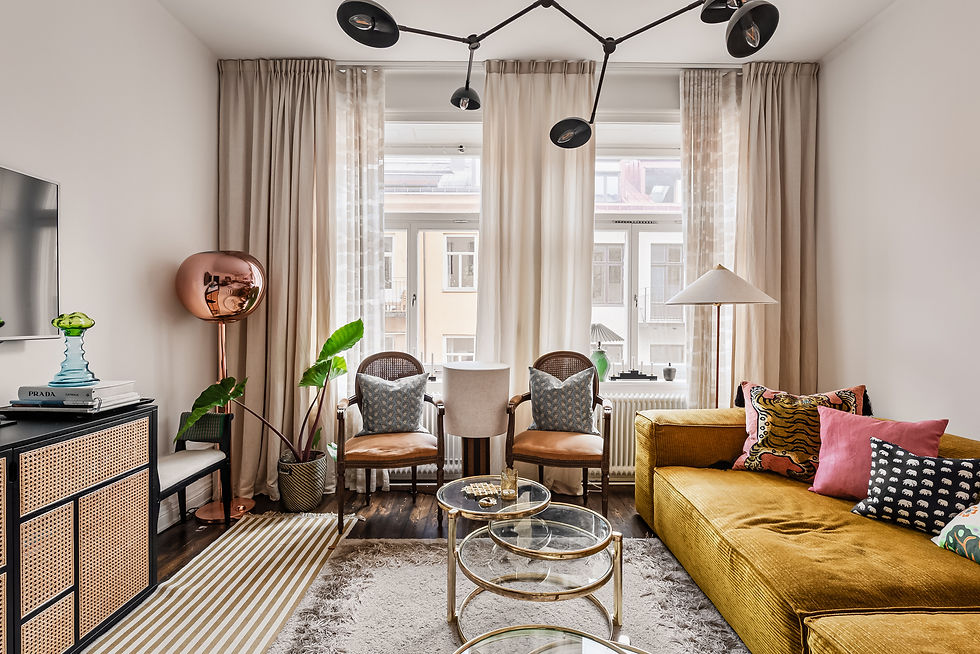
Harsh Shadows and Uneven Light Distribution
One of the most common flash mistakes is pointing the flash directly at the scene. This often creates hard shadows behind furniture and architectural details. Direct flash can also flatten colors and produce a cold, lifeless tone in the areas it hits.
How to fix it:
Bounce the flash off the ceiling or a neutral-colored wall to create softer, more even light. Be cautious with colored walls, as they can introduce color casts.
Avoid pointing the flash straight forward. Instead, angle it upward or slightly to the side for a more natural light spread.
Pro tip: Use a diffuser to soften the light further and reduce harsh shadow edges.
Reflections on Glossy Surfaces
Windows, mirrors, polished furniture, and glass surfaces can reflect flash light and create distracting hotspots. These reflections can cause blown highlights or visible flash bursts in the frame, washing out color and detail.
How to fix it:
Bounce the flash instead of firing it directly toward reflective surfaces.
Adjust your shooting angle to minimize visible reflections.
Pro tip: Use a polarizing filter to reduce reflections in windows and glass surfaces.
Dark Shadows and Color Contamination
When shooting with flash, illuminated areas often appear neutral and clean in color. However, shadows receive little to no direct flash light. Instead, they’re influenced by ambient light and color reflections from the room.
Because shadows contain less light information, they also contain less color data - which can result in muddy tones or unwanted color casts.
To create a usable flash frame for blending, you want to avoid overly dark shadows. The goal is clean, neutral color across the image.
How to fix it:
Experiment with flash angle and power until you find a balanced exposure.
Avoid creating strong directional shadows if your intention is to use the flash exposure for color accuracy in post-production.
Pro tip: Place an external flash on a stand and angle it upward or to the side to simulate natural window light.

Summary of Flash Photography Problems in Real Estate
Understanding how flash interacts with a space is key to achieving professional real estate images. By avoiding direct flash, bouncing the light, and adjusting flash direction intentionally, you can dramatically improve your results.
Test different techniques and light modifiers to find a workflow that fits your shooting style. When used correctly, flash is not just a light source - it’s a precision tool for clean color and balanced interiors.
What techniques do you use to improve your flash photography? Share your experience in the comments.


Comments